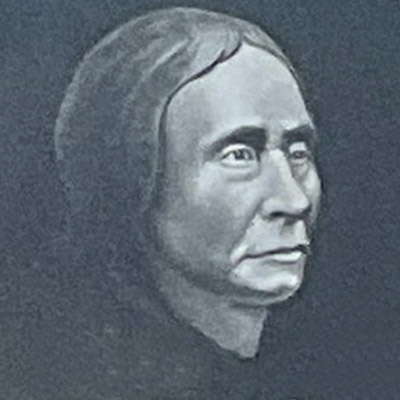
We Are Nisqually Strong
dxsEalifabS
People of the River, People of the Grass
Our History...
Our people lived in the south Puget Sound watershed long before 1833, when Fort Nisqually was established as the first white settlement on Puget Sound. The Nisqually people came north from the Great Basin, across the Cascade Mountains, to settle near the Mashel River. We were a fishing people, living off of the rich bounty of the river, and sustaining life for our home and environment. The Nisqually Reservation, as it has become known today, was established by the Medicine Creek Treaty of December 26, 1854, although whether the great Nisqually Chief Leschi had agreed to the treaty was heavily disputed. Still, our people were re-established on a reservation consisting of 1,280 acres in what is now Thurston County.

Our Culture...
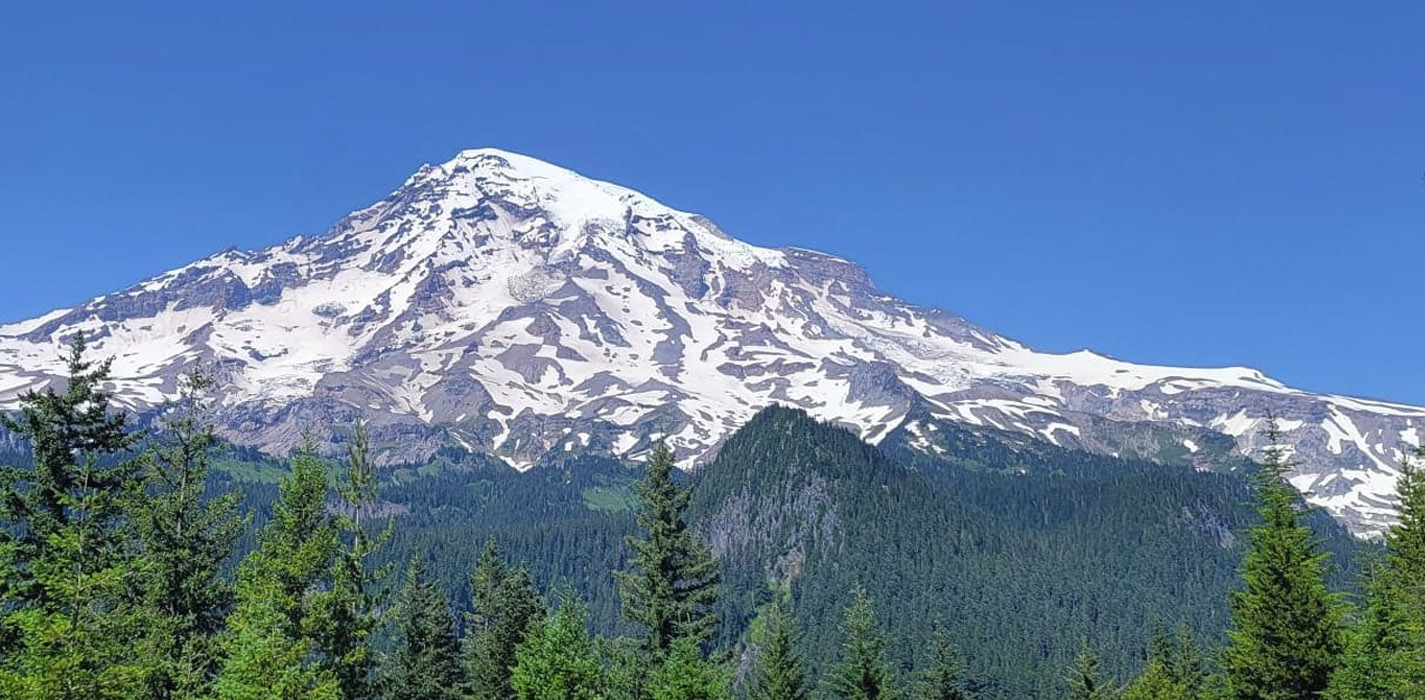
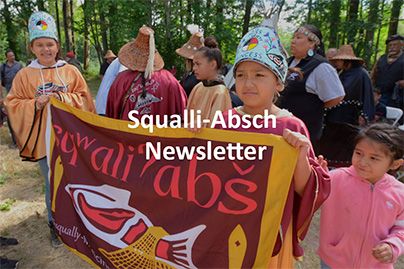
The Nisqually people have lived in the watershed for thousands of years. According to legend, the Squalli-absch (ancestors of the modern Nisqually Indian Tribe), came north from the Great Basin, crossed the Cascade Mountain Range and erected their first village in a basin now known as Skate Creek, just outside the Nisqually River Watershed's southern boundary. Later, a major village would be located near the Mashel River.
Our Tribal Resources


Our Homeland
For 10,000 years the Nisqually Tribe lived in relative peace and prosperity in its aboriginal homeland of about
2 million acres near the present-day towns of Olympia, Tenino, and Dupont,
and extending to Mount Rainier.

Our Leaders